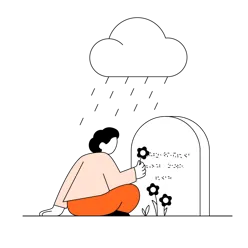
It affects the daily lives, health, and quality of life of children and young people when someone in the family experiences health problems or dies.
Caring for children work refers to the tasks performed by healthcare services and municipalities to meet children's needs for information and necessary follow-up. This involves clarifying whether patients have children or siblings, assessing the children's situation and needs, providing follow-up, and facilitating support in daily life. The work also involves close collaboration with families, schools, kindergartens, and other support services to ensure that the child receives the support they need. Caring for children work is early intervention. It is an opportunity to identify significant events early on and contribute to their ability to cope with daily life and what they are experiencing.
Children as caregivers
Children and young people (0-18 years) are caregivers when parents or siblings experience health problems or die. Parents and siblings are interpreted broadly and include, for example, stepparents, foster parents, adoptive parents, and corresponding siblings.
The health problems may be mental illness, addiction, or serious somatic illness or injury. It can also be disabilities. Children and young people are also caregivers when close people die.
A large proportion of children and young people experience being caregivers during their upbringing.
Children and young people are affected
Families are bound together for better or worse. When something happens to one, it affects the others. Parents' or siblings' health problems or death affect children's and young people's thoughts, feelings, and daily lives.
The person with the health problem is concerned about the children's situation and their role as parents and siblings. This can affect the person's health and treatment.
Other adults in the family may experience having to care for both the children and the person with the health problem. This is a challenging double role.
Health problems are best managed when the whole family participates to figure out how they can cope with the situation.
Children and young people's needs
Children and young people who are caregivers have their own independent needs. The needs vary depending on personality, age, and the situation they are in. However, some needs recur.
Children want to understand what has happened
Children want to understand what is happening to the person with the health problem, to themselves, and to the family, and to daily life. The same goes for children who are bereaved. Therefore, information is so important. Children and young people use information to create the understanding they need to cope with the situation.
Children often want to participate in what is happening
Children want to be involved when information is given, decisions are made, or tasks are done. Participation gives children and young people the opportunity to contribute to the family on their own terms. It gives a sense of belonging to the community. Children also want recognition for their participation and their understanding of the situation.
