Highlights children's experiences as relatives
A new knowledge summary provides insight into how children and young people between 0 and 25 years of age experience everyday life when parents are mentally ill, addicted to drugs, seriously ill, or injured.
Researchers and participants in BarnsBeste's research network have collected and analyzed data from 23 studies conducted during the period 2010-2022. All texts provide a unique insight into the perspectives and experiences of children and young people in a relative role.
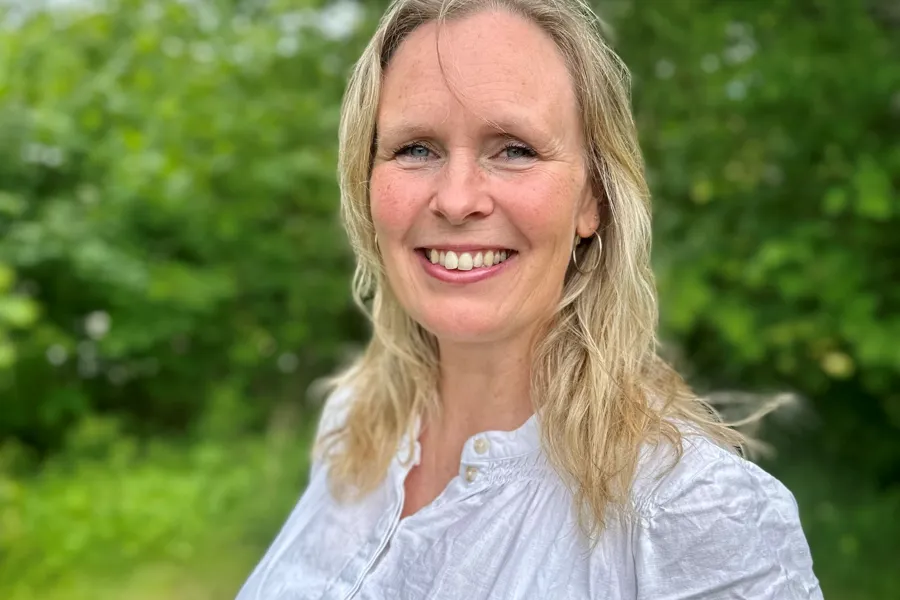
- We wanted to take a closer look at what research based on Norwegian data told us about the everyday lives of children and young people in the face of a parent's illness or addiction. It was important for us to hear their voices directly and systematically collect this knowledge, says Vibecke Ulvær Vallesverd, Assistant Manager and Professional Advisor in the National Competence Network for Children as Relatives, BarnsBeste.
The knowledge summary reveals that the everyday lives of children and young people are characterized by emotional ambivalence, where they balance between supportive and challenging environments. Despite the situation, the research shows that children and young people are active agents who seek to create meaning and cope with the challenges of everyday life on their own.
- It is clear that children and young people in the relative role face a number of challenges, including lack of information, financial concerns, and a feeling of loneliness within the family, says Vallesverd.
Furthermore, the study indicates that children and young people often take on responsibility to help financially at home, as well as worry about inheriting their parents' illness and about their own lives. However, the research shows that support from a stable and trustworthy adult, as well as maintaining friendships and leisure activities, can be crucial for their well-being and coping.
This research underscores the need to integrate knowledge about the needs of children and young people into policy, practice, and society. By recognizing and addressing the challenges they face, we can help ensure well-being and future health.
- We must do something and we, as a society, must take responsibility for supporting children and young people in the relative role. It's not just about recognizing their efforts, but also about offering targeted support and help to them and their families to prevent future health problems, says Vallesverd.
Read the entire article inScandinavian Journal of Public Health